Specialized CBT for Anxiety & OCD

Together CBT is a boutique psychology practice specializing in cognitive behavioral therapy (CBT), including exposure therapy, for anxiety, OCD, and related conditions. It is led by Dr. Amelia Aldao, a Yale-trained clinical psychologist and former Ohio State professor whose research on emotion regulation has been cited more than 30,000 times.

We treat panic disorder, generalized anxiety, social anxiety, OCD, body-focused repetitive behaviors, ADHD, chronic sleep difficulties, and burnout. Our approach is exposure-based and grounded in the latest clinical research. We work with executives, founders, and other high-performers. We offer in-person sessions in Manhattan and virtual sessions across more than 40 states. We’re out-of-network and provide superbills for insurance reimbursement


Email Us Book a Free 15 Min Consult

Screenshot 2023-06-15 at 12.58.00 PM.png

Our Core Specialties

Cognitive Behavioral Therapy (CBT)

Exposure and Response Prevention (ERP) for OCD

Exposure Therapy for panic, social anxiety, and phobias

Habit Reversal Training (HRT) — for skin picking and hair pulling

Acceptance and Commitment Therapy (ACT) for generalized anxiety

Mindfulness-Based Cognitive Therapy (MBCT) for anxiety

CBT for Insomnia (CBT-I)

Behavioral Activation for burnout and low motivation


Meet The Team


Our team combines deep clinical experience with prolific research careers. We have supervised and trained psychologists and psychiatrists, published scientific work cited more than 30,000 times, and we have experience working in mental health tech and AI. In session, that translates into treatment that's grounded in evidence and focused on your goals.

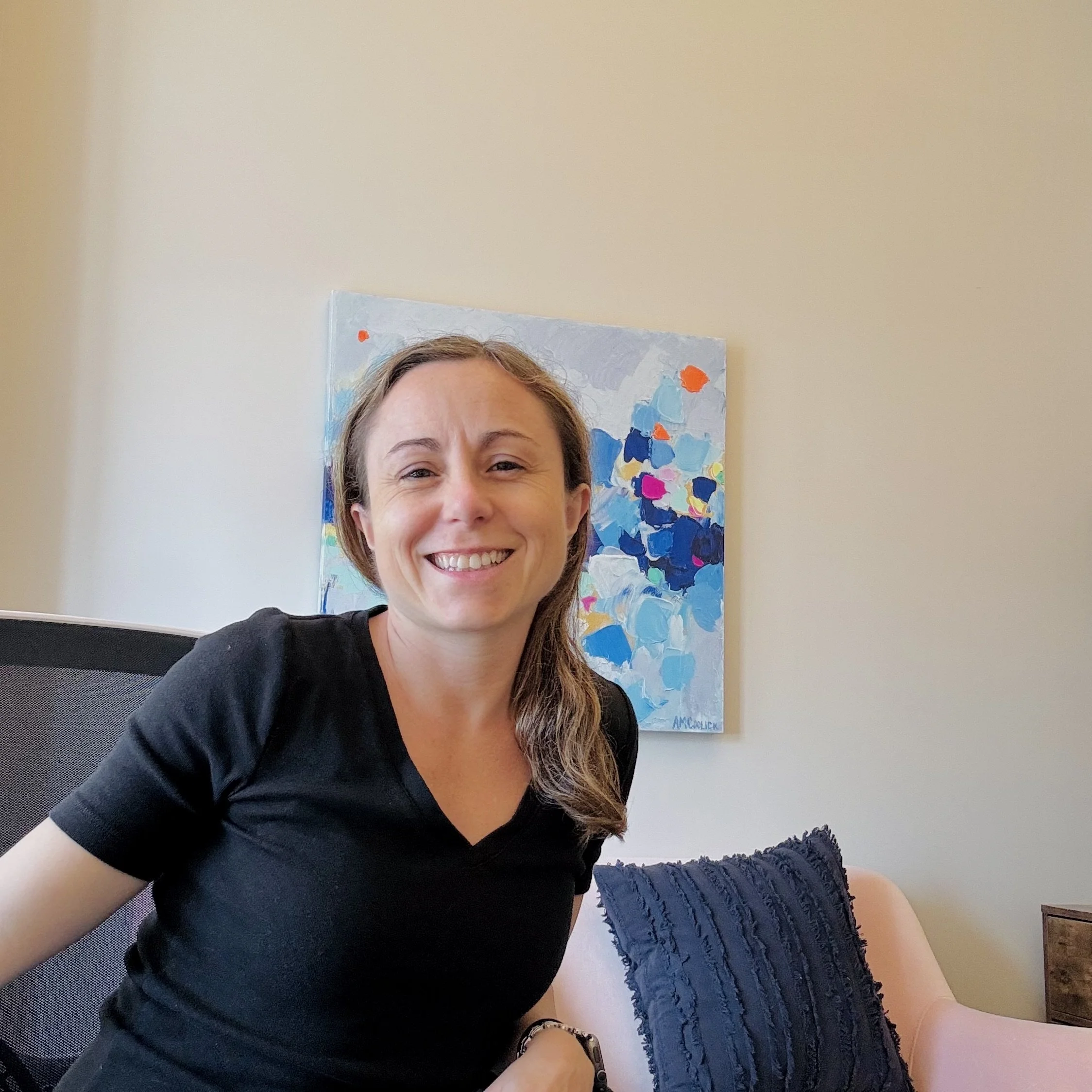
Dr. Amelia Aldao, Ph.D.

Practice Director & Licensed Clinical Psychologist

Dr. Aldao is a Yale-trained clinical psychologist who specializes in cognitive behavioral therapy (CBT) and exposure therapy for anxiety, OCD, panic, generalized anxiety disorder (GAD), chronic worry, and stress. She earned her B.A. summa cum laude from the University of Pennsylvania and her Ph.D. from Yale University, and completed her clinical internship at NewYork-Presbyterian Hospital/Weill Cornell Medical College. As a tenure-track professor at The Ohio State University, she directed her own research laboratory. Her more than 60 peer-reviewed publications on emotion regulation have been cited more than 30,000 times. She has served as associate editor of two scientific journals, and has taught and supervised clinicians at Ohio State, Columbia, Mount Sinai, and Yeshiva University.

Dr. Aldao has been quoted in The New York Times, The Washington Post, NPR, and The Guardian, and has shared practical anxiety guidance on her YouTube channel and her Psychology Today blog "Sweet Emotion." She is co-president of the Women's Mental Health Consortium, the largest professional association of mental health providers in the tri-state area. Her earlier career as a management consultant at Boston Consulting Group shapes her work with high-achieving professionals facing stress and burnout. Read Dr. Aldao’s full bio here.

Screenshot 2023-06-15 at 12.58.00 PM.png

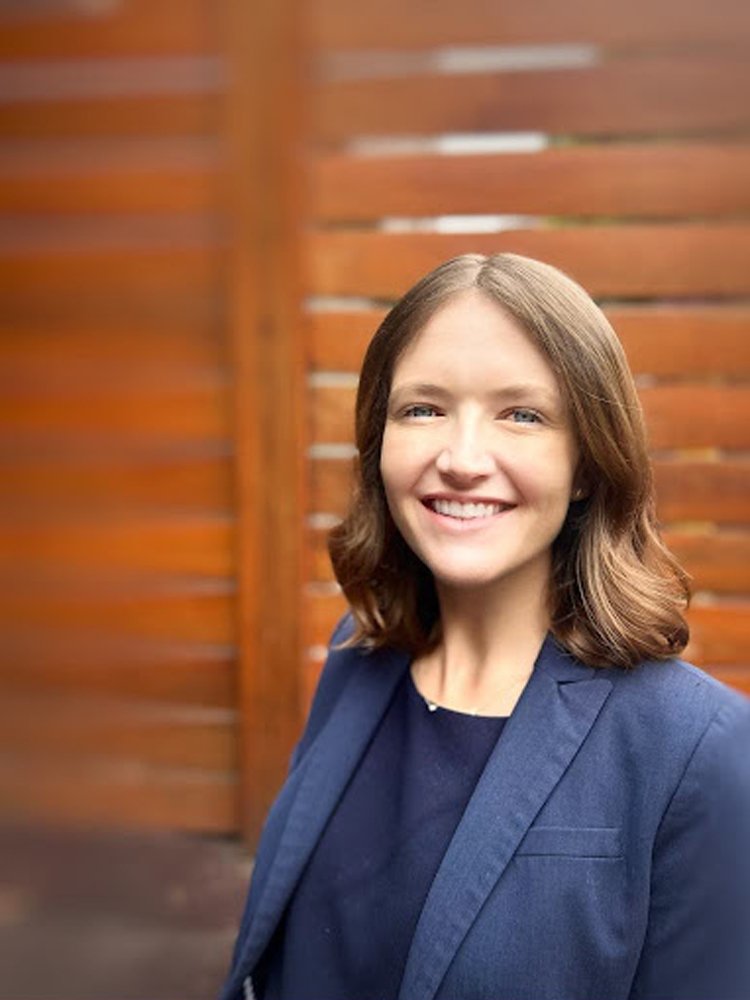
Dr. Caitlin Stamatis, Ph.D.

Licensed Clinical Psychologist

Dr. Caitlin Stamatis, Ph.D. earned her B.A. from Columbia University and her Ph.D. from the University of Miami, and completed her clinical training at Weill Cornell Medical School. She did her post-doctoral training at Together CBT.

Her focus areas include anxiety, OCD, and perinatal mental health. She also draws on her experiences at Google and in the health tech industry to support clients balancing demanding careers with major life transitions.

Dr. Caitlin Stamatis has conducted research at Northwestern University Feinberg School of Medicine on how smartphone data and AI can detect and support anxiety, depression, OCD, and ADHD. Her work has been cited more than 1,300 times and has appeared in Depression and Anxiety, Journal of Abnormal Psychology, Behaviour Research and Therapy, JAMA Network Open, and NEJM AI. She also works in the AI industry, building and evaluating AI tools for mental health.


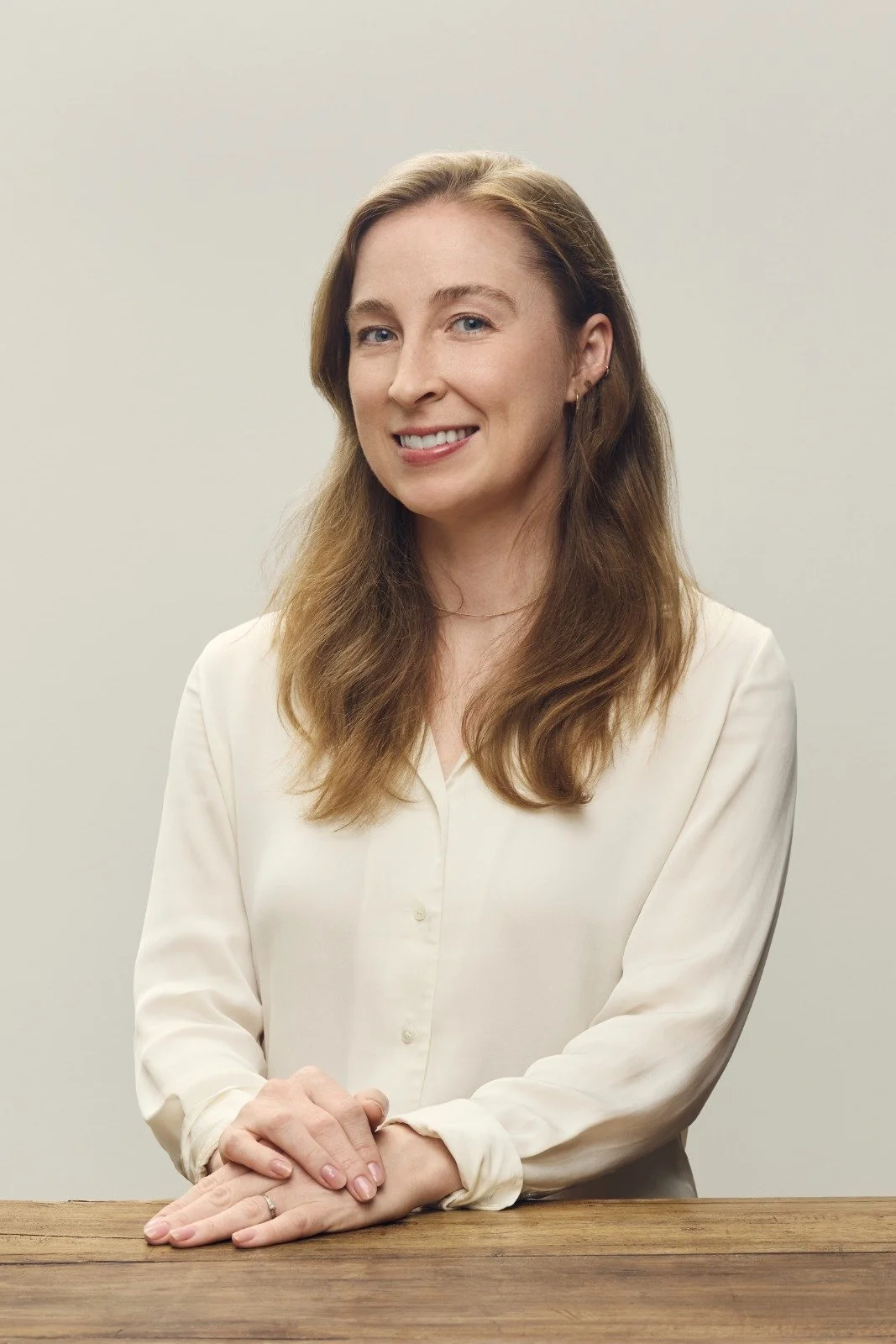
Dr. Michelle Worthington, Ph.D.

Licensed Clinical Psychologist & Adjunct Professor at Yale University

Dr. Michelle Worthington, Ph.D. earned her B.A. from Columbia University and her Ph.D. from Yale University. She did her residency at Yale-New Haven Hospital and her post-doctoral training at Together CBT. She holds an appointment as Adjunct Associate Professor at Yale School of Medicine.

She specializes in stress, trauma, and mood disorders, helping clients move through emotional and relational “stuck points” to build lasting resilience. Her clinical approach integrates evidence-based Cognitive Behavioral Therapy (CBT) with third-wave modalities including Acceptance and Commitment Therapy (ACT) and Dialectical Behavior Therapy (DBT) to help individuals cultivate psychological flexibility, mindfulness, and self-compassion.

Dr. Michelle Worthington's research uses machine learning and clinical data to predict the course of serious mental illness, including psychosis and PTSD. Her work has appeared in Biological Psychiatry, Schizophrenia Bulletin, Psychological Medicine, and BMC Psychiatry, and she is affiliated with the Yale University Department of Psychiatry. She also works in digital health technology, developing tools that measure mental health from speech and behavior.


Screenshot 2023-06-15 at 12.58.00 PM.png

Media Coverage


 Frequently Asked Questions (FAQs)

  • What is exposure therapy? It is an evidence-based treatment that helps people face the situations, thoughts, sensations, or uncertainties that trigger anxiety. Rather than avoiding these experiences or relying on strategies to make anxiety go away, you gradually learn to approach them differently. Over time, this can help reduce avoidance, build confidence, and make anxiety less disruptive to your life.

  • Will exposure therapy make me face my biggest fears right away? No. Exposure therapy is a collaborative process tailored to your needs and goals. You and your therapist work together to identify meaningful steps and gradually practice facing what you've been avoiding. The goal isn't to overwhelm you or eliminate anxiety in every situation, but to help you learn that you can handle discomfort and live more freely, even when anxiety shows up.

  • What types of exposure therapy do you offer? Imaginal exposure: Intentionally engaging with feared thoughts, images, or scenarios that cannot easily be recreated in real life. Interoceptive exposure: Practicing experiencing feared physical sensations, such as a racing heart or dizziness, in a safe and planned way. In vivo exposure: Gradually facing feared situations or objects in real life. Exposure and Response Prevention (ERP): Facing triggers associated with OCD while learning to resist compulsions and other behaviors used to reduce anxiety. Exposure to uncertainty: Practicing making room for doubt and uncertainty without relying on reassurance, checking, or other strategies to feel certain.

  • Do you use CBT, ACT, or both?

    A: Both — we often blend them. CBT focuses on identifying and changing the unhelpful thought patterns and behaviors that keep anxiety and OCD going. ACT takes a different approach: rather than challenging every difficult thought, it helps you build a different relationship to it — tolerating discomfort and uncertainty so they don't have to control your choices, and moving toward what matters to you even when anxiety is present. In practice, we draw on both: CBT's structured tools for what's workable to actively change, and ACT's acceptance-based skills for what isn't.

  • Do you accept insurance? We're out-of-network and provide you with a superbill you can submit to your insurance for potential reimbursement.

  • Where are you located, and do you offer virtual sessions? We're based in Manhattan, with in-person sessions available there and virtual sessions across more than 40 states.

  • How do I get started? Book a free 15-minute consultation to talk through what's going on and see if we're the right fit — no commitment required.

  • What happens during the free consultation? It's a short, low-pressure conversation — not a first session. We'll talk about what you're looking for and answer any questions before you decide anything.

Screenshot 2023-06-15 at 12.58.00 PM.png